
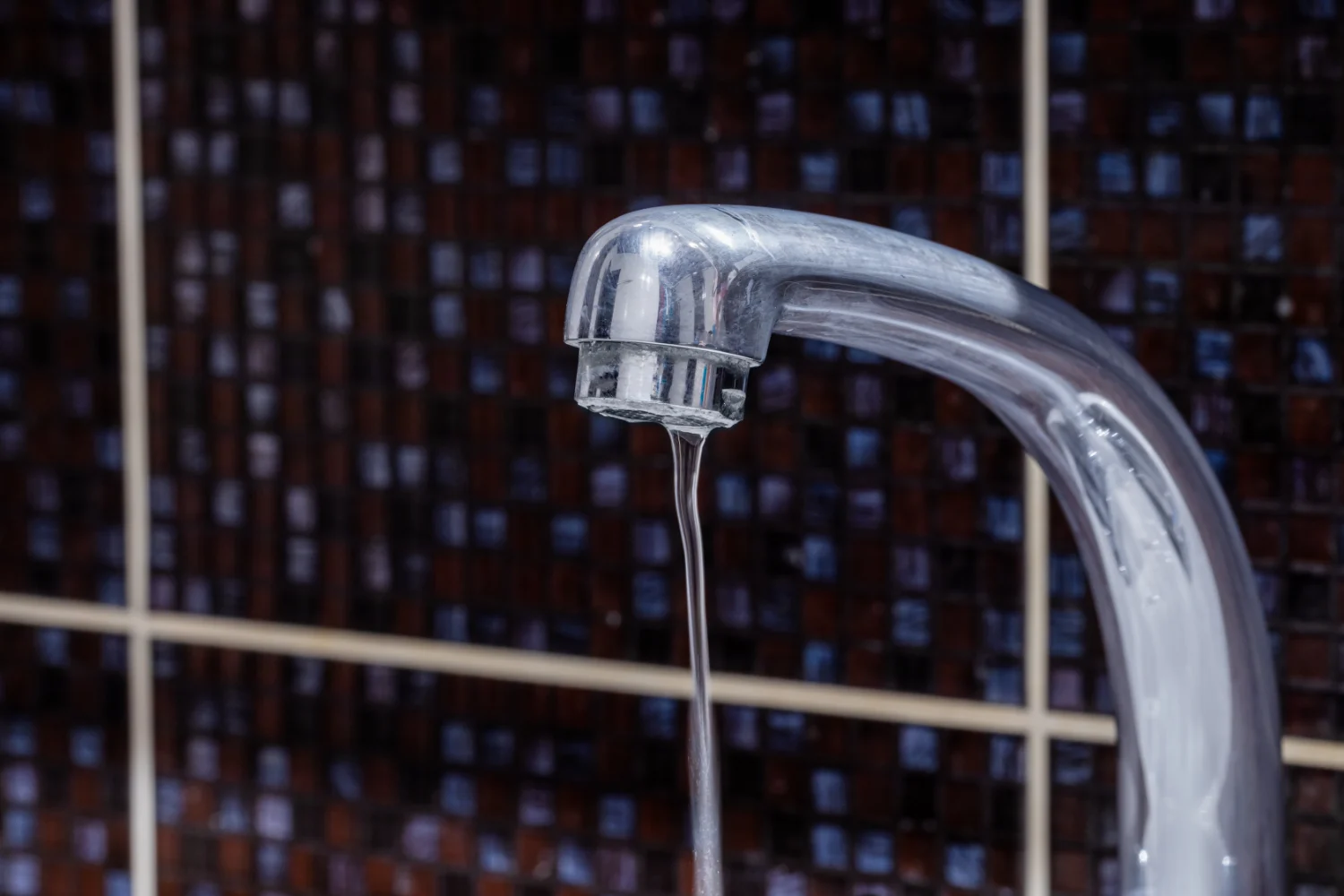
Low water pressure in a house can be caused by something as simple as a clogged faucet aerator or showerhead, or by a more serious plumbing problem such as a hidden leak, corroded pipes, or a failing pressure regulator. If low pressure affects the entire house, the cause is likely somewhere in the main water supply or plumbing system. If it affects only one fixture, the problem is usually localized.
Common Causes of Low Water Pressure
Several plumbing issues can contribute to low water pressure. Identifying where and when the pressure drops can help narrow down the cause.
Clogged Faucets or Showerheads
Mineral deposits and sediment can build up inside faucet aerators and showerheads over time. If water pressure is low at just one fixture, removing and cleaning the aerator or showerhead may solve the problem.
Partially Closed or Faulty Shut-Off Valve
Your home’s main water shut-off valve controls the flow of water into the plumbing system. If the valve is only partially open, water pressure throughout the house may be reduced. A damaged or failing valve can also restrict water flow.
Pressure Regulator Problems
Homes connected to a municipal water supply may have a pressure-reducing valve, also called a pressure regulator, to keep incoming water pressure at a safe level. When the regulator begins to fail, it can cause consistently low or fluctuating water pressure throughout the house.
Corroded or Aging Pipes
Older plumbing systems may contain galvanized steel pipes that can become heavily corroded on the inside. Even if the outside of the pipe looks fine, mineral buildup and corrosion can restrict the water’s flow. Replacing affected sections or repiping may be necessary when the problem is widespread.
Plumbing Leaks
A significant leak can reduce the amount of water available at your fixtures. If low pressure is accompanied by unexpectedly high water usage, damp areas, water stains, or the sound of running water when everything is turned off, a plumbing leak may be the cause.
Problems With the Municipal Water Supply
Sometimes the issue isn’t inside your house. Water main repairs, construction, unusually high demand, or other local water system problems can temporarily affect water pressure. If your neighbors are experiencing the same issue, contact your water provider and ask if there is a known problem.
Why Is My Water Pressure Low All of a Sudden?
A sudden drop in water pressure can indicate a partially closed valve, a plumbing leak, a failed pressure regulator, or an issue with the municipal water supply. If water pressure drops throughout the house and does not return to normal, it’s worth having the plumbing system inspected rather than assuming the problem will resolve itself.
If low pressure occurs only at one faucet or shower, check for a clogged aerator or showerhead before calling a plumber.
When Should You Call a Plumber?
Persistent low water pressure, especially throughout the entire house, deserves professional attention. A plumber can test the home’s water pressure, inspect valves and pressure-regulating equipment, check for leaks, and determine whether aging or damaged pipes are restricting water flow.
Frequently Asked Questions
Water pressure below about 40 psi is generally considered low for a residential plumbing system, although the ideal pressure can vary by home and plumbing system.
Low pressure at a single faucet is often caused by a clogged aerator, a partially closed fixture shut-off valve, or buildup inside the faucet. Cleaning the aerator is a simple first step.
Yes. A significant plumbing leak can reduce available water flow and pressure. Signs may include unexplained increases in water usage, damp spots, water stains, or the sound of running water when fixtures are turned off.
Yes. Corrosion and mineral buildup inside older pipes can gradually restrict water flow. This is particularly common with aging galvanized steel plumbing.
The right solution depends on the cause. Cleaning a clogged fixture, fully opening a shut-off valve, repairing a leak, replacing a faulty pressure regulator, or addressing restricted pipes may restore normal water pressure. A plumber can determine which solution is appropriate.
Having Trouble With Low Water Pressure?
If you’ve noticed a persistent change in your home’s water pressure, Herbein Plumbing can help identify the cause and determine the right repair. From leaking pipes and faulty valves to pressure regulator problems, professional diagnosis can help restore reliable water flow throughout your home.
Get Helpful Plumbing Tips & Advice
Curious about common plumbing issues or planning your next upgrade?
Our Resource Center is packed with expert insights on everything from leaky toilets to water heaters. Explore practical advice designed for both homeowners and businesses.